
Every day you search Google for the best answers – whether it's the current weather forecast, a quick explanation, or step-by-step instructions for an everyday task. You've probably noticed that some search results immediately catch your eye: they display text snippets, ratings, or prices directly, even before you've opened the page. How do these pages manage to stand out so much? And how can you ensure that your own website also shines in the spotlight and directly answers the questions of searchers? In the following sections, you'll learn how structured data can help you achieve precisely this goal.
Every day you search Google for the best answers – whether it's the current weather forecast, a quick explanation, or step-by-step instructions for an everyday task. You've probably noticed that some search results immediately catch your eye: they display text snippets, ratings, or prices directly, even before you've opened the page. How do these pages manage to stand out so much? And how can you ensure that your own website also shines in the spotlight and directly answers the questions of searchers? In the following sections, you'll learn how structured data can help you achieve precisely this goal.
What is structured data?
Structured data is a technique for systematically organizing content on a website, enabling search engines like Google to better understand this information and display it more effectively in search results. Special HTML tags, known as , allow detailed information about specific content, such as products, articles, or events, to be embedded directly in the website's source code.
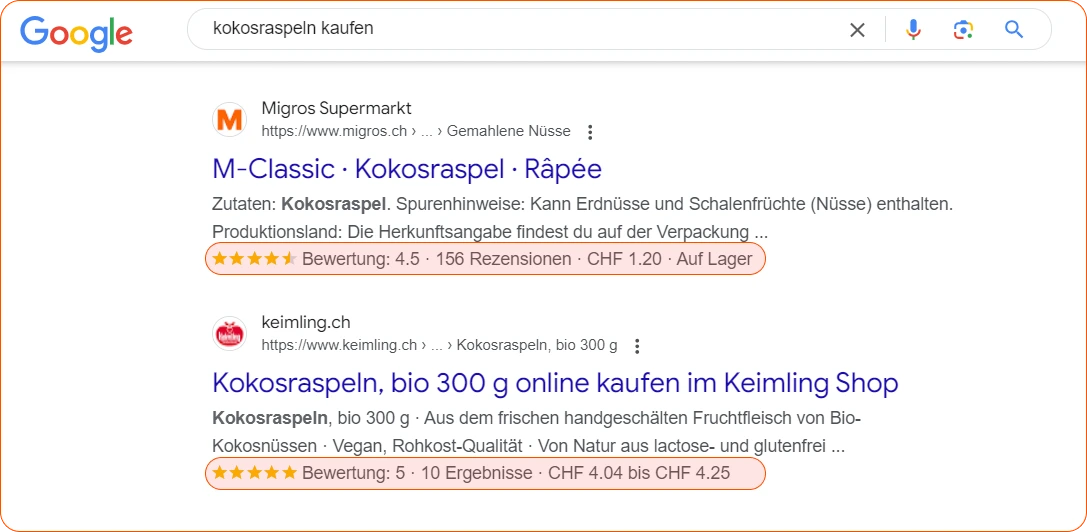
For example, on a product page, structured data can enable search engines to display prices, availability, and ratings directly—without users having to open the page first. These highlighted displays in the search results are called . They provide users with helpful information at a glance, increasing the likelihood that they will click through to your page.
However, structured data alone does not guarantee that rich snippets will be displayed. Whether the stored data is deemed relevant and useful and therefore appears in the search results depends on the search engine's algorithms.
Search engines understand your content better and can clearly highlight relevant information. This can lead to your website appearing more prominently in search results.
Google can use this data to specifically categorize your page for particular search terms and questions, which improves your visibility for certain topics.
Rich snippets allow additional details such as star ratings, prices, or images to be displayed directly in the search results, making your ad more appealing.
Rich snippets and the display of relevant content for matching search queries make it easier for users to find relevant information and thus increase the likelihood that they will click on your page.
Applying schema markup to different page types
Different pages on your website serve different purposes, and this is where specialized schema types come into play. Depending on the content type and function of the page, there are specific markups that help search engines understand and correctly display the relevant information. Here are some of the most common schema types:
How-to (Instructions)
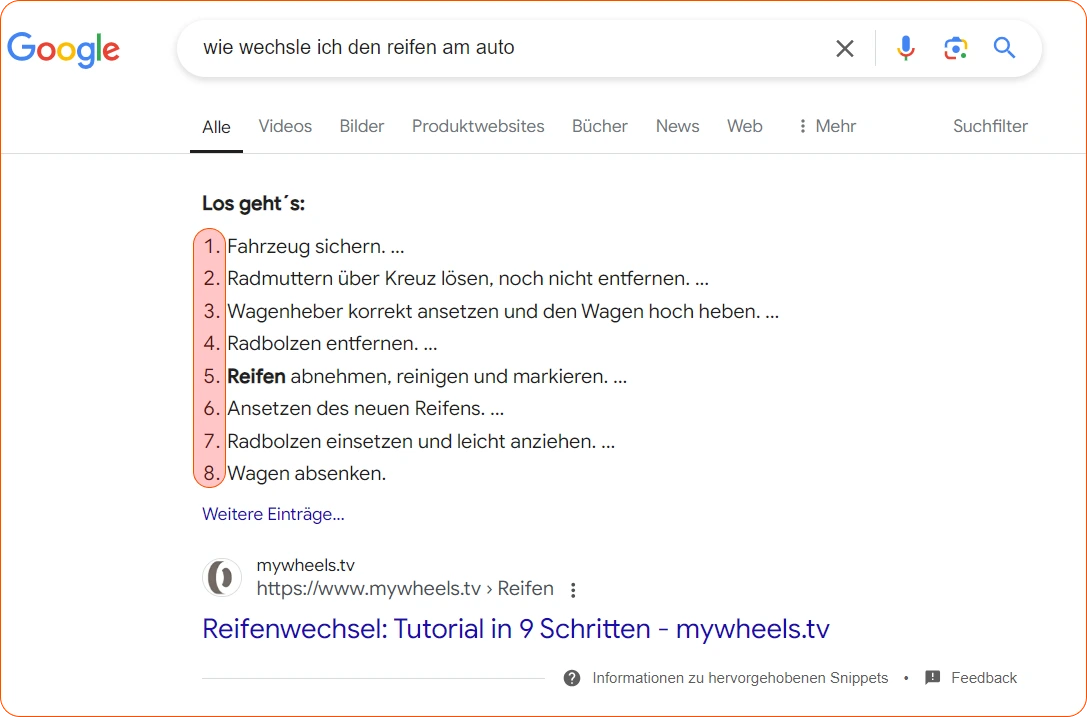
The how-to format is ideal for tutorials and step-by-step instructions. It allows Google to recognize the individual steps of a guide and display them directly to users.
product
For online shops or product pages, the product schema ensures that important information such as price, availability and customer reviews are directly visible in the search results.
Job postings
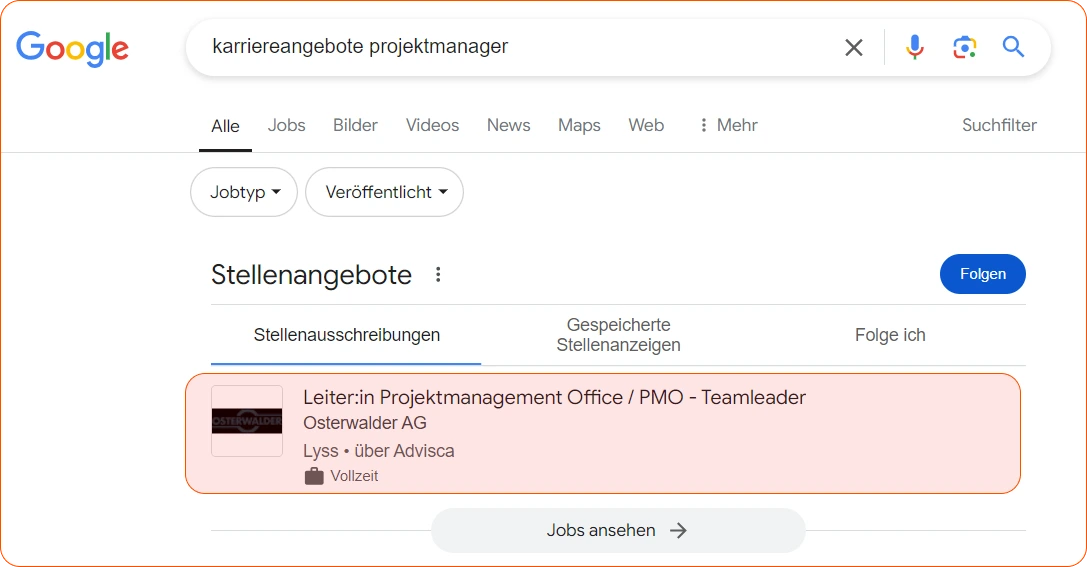
The job posting scheme helps to highlight job offers in search engines. Information such as position, location, salary details, and application deadlines can be displayed, significantly increasing the visibility of your job postings and attracting potential applicants more quickly.